Steel Fire Doors with Glass – The Best Choice for Modern Safety
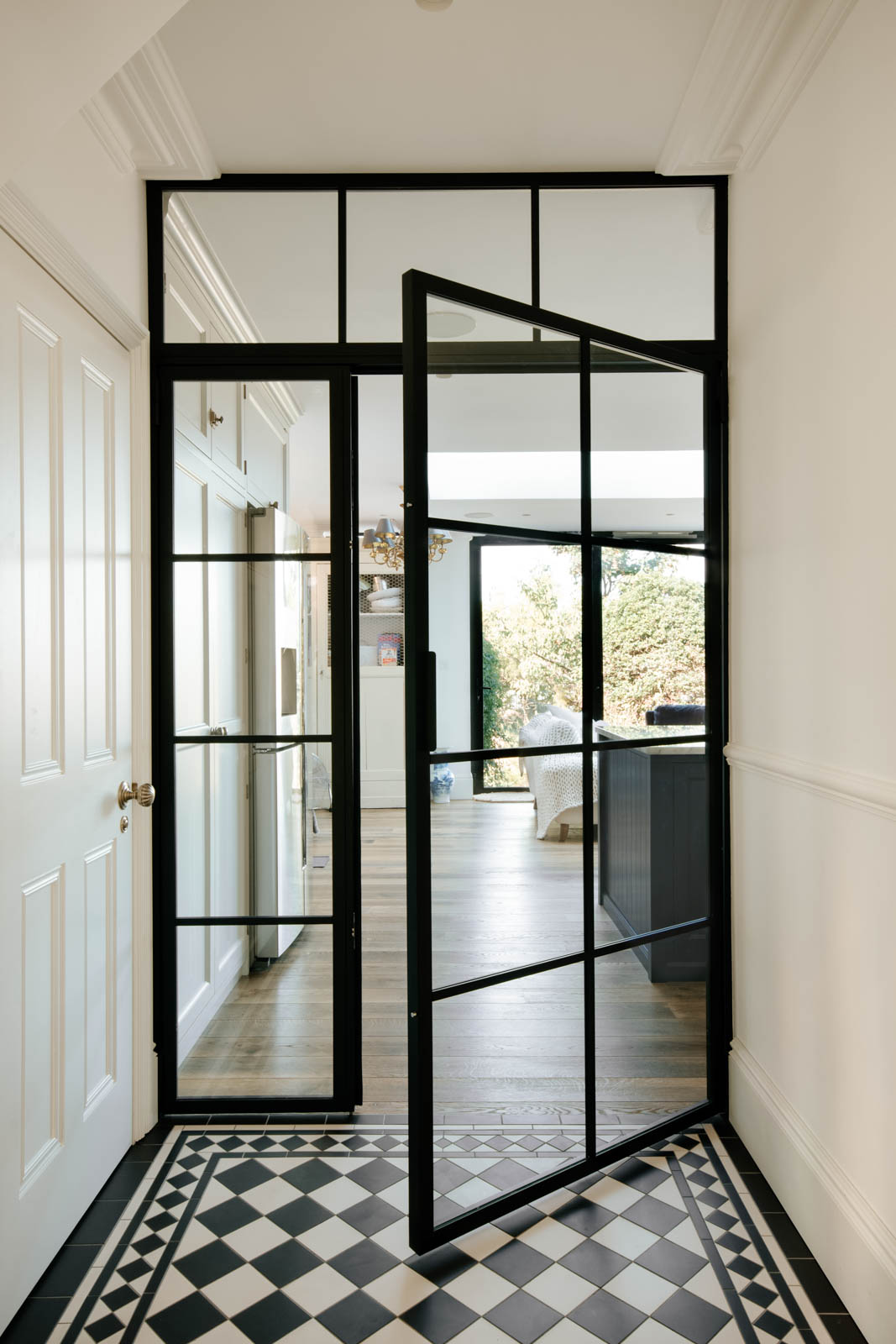
When specifying doors for commercial, industrial, or multi-occupancy residential buildings, safety is the non-negotiable priority. The door must perform under extreme conditions, containing fire and smoke to protect lives and assets. Yet, modern architectural and operational demands call for more than just a solid barrier. They require solutions that support aesthetics, natural light, and wayfinding without compromising on protection. This is where the integration of specialized glazing into robust steel fire door assemblies creates a superior solution. Steel fire doors with glass represent this critical evolution in passive fire protection.
They move beyond the purely utilitarian, offering a balanced answer to complex contemporary requirements. By fusing the inherent strength and integrity of steel with advanced, fire-rated glass technology, these doors deliver a level of performance and design integration that other materials struggle to match. This combination is increasingly becoming the benchmark for projects where safety cannot be an afterthought, but where the human experience of the space remains paramount.
This article will examine the core advantages that make steel fire doors with glass the optimal choice. We will explore the technical performance behind their safety ratings, their design versatility, and the practical benefits they bring to daily operations. Finally, we will address common questions to provide a comprehensive understanding of their specification and use.
The Unmatched Safety Profile of Steel and Glass
The primary function of any fire door is to compartmentalize a building, slowing the spread of flames, heat, and toxic smoke. Steel is the material of choice for the highest levels of fire resistance due to its structural integrity and melting point. A well-constructed steel door provides a stable, non-combustible barrier that maintains its shape and seals under intense heat, ensuring the frame and door leaf stay aligned to block fire passage.
The inclusion of glass transforms a solid steel door into a transparent or vision panel-equipped barrier, but only if the glazing system is engineered to the same standard. Modern fire-rated glass is not ordinary window glass. It is a sophisticated assembly, often comprising multiple layers of glass with transparent intumescent interlayers. When exposed to heat, this interlayer expands to form an opaque, insulating char that blocks radiant heat.
This allows the glass to achieve integrity (E) and insulation (I) ratings, meaning it prevents the passage of flames and keeps the non-fire side below a critical temperature rise for a specified duration—typically 30, 60, or 120 minutes. Therefore, a certified steel fire door with rated glass provides a complete assembly that is tested as a unit. The compatibility of the steel frame, door leaf, glazing system, seals, and hardware is validated to perform for its stated fire resistance period. This holistic certification is what delivers reliable safety. For projects requiring visibility without compromise, specifying certified internal glass fire doors from a reputable manufacturer is essential to ensure every component meets the required standard.
Understanding Fire Ratings and Certification
Always look for third-party certification from recognized bodies. A label or plug on the door edge indicates it has been tested to a relevant standard (e.g., BS 476 Part 22, EN 1634-1). The rating, such as FD60 or EI60, tells you the duration (60 minutes) and the performance criteria (E=Integrity, I=Insulation). The glazing within the door will have its own matching rating. Never assume glass is fire-rated by appearance alone; certification is the only guarantee.
Design Flexibility and Aesthetic Integration
The historic trade-off between safety and design is effectively eliminated with steel fire doors featuring glass. Architects and designers are no longer forced to hide essential safety doors or relegate them to service areas. Instead, these doors can be integrated seamlessly into the overall design language of a building.
- Material and Finish: Steel doors can be powder-coated in virtually any RAL color, allowing them to blend in or make a bold statement. The finish is durable, scratch-resistant, and easy to clean.
- Glazing Options: The glass itself offers numerous design choices. Options can include clear, frosted, patterned, or tinted glass. Frosted or ceramic-fritted designs can provide privacy while still diffusing light. The glazing can be configured as a full-lite door, a vision panel (horizontal or vertical), or multiple insulated panels.
- Architectural Consistency: This versatility means a fire door can match the aesthetic of adjacent non-rated doors or curtain walling, maintaining clean sightlines and a cohesive look throughout corridors, office suites, or lobby areas.
Operational and Practical Benefits Beyond Safety
The advantages of steel fire doors with glass extend into the day-to-day functionality of a building, impacting occupant well-being and operational efficiency.
- Enhanced Visibility and Natural Light: Glass panels combat the closed-in, oppressive feeling of long corridors or interior rooms. They allow borrowed light to penetrate deeper into floorplans, reducing reliance on artificial lighting and contributing to occupant well-being. Visibility through doors also improves security monitoring and creates a more open, collaborative environment.
- Improved Wayfinding and Spatial Awareness: In an emergency, visibility through doors can aid evacuation by helping occupants identify clear routes and avoid congested areas. In daily use, it prevents collisions and improves traffic flow in busy corridors.
- Durability and Low Maintenance: Steel is incredibly resilient to impact, warping, and daily wear-and-tear. Compared to timber fire doors, steel does not swell, shrink, or require periodic repainting. A robust steel door with toughened or laminated glass will withstand high-traffic environments with minimal maintenance, offering a lower total cost of ownership over its lifespan.
- Security Synergy: A solid steel core inherently provides a high level of physical security against forced entry. When paired with appropriate locks and hinges, a Fire Rated Doors with Glass serves a dual purpose as both a fire and security barrier, an important consideration for perimeter doors or sensitive internal areas.
Key Considerations for Specification and Installation
Selecting the right door is only part of the process. Correct specification and installation are critical to performance.
- Match the Rating to the Risk: Determine the required fire resistance duration (30, 60, 120 minutes) based on building regulations, use, and height. The structural opening must also be built to support this rating.
- Choose Appropriate Hardware: All hardware—hinges, locks, closers, and panic devices—must be fire-rated and compatible with the door assembly. An automatic door closer is mandatory to ensure the door self-latches in the event of a fire.
- Prioritize Professional Installation: The door must be installed by competent professionals in accordance with the manufacturer's instructions. Improper gap sizing, misaligned frames, or faulty seals can render even the best door ineffective in a fire.
- Plan for Ongoing Inspection: Fire doors are legally required to be regularly inspected (at least every six months in many jurisdictions). Ensure glazing, seals, and closing mechanisms are checked for damage and functionality.
Frequently Asked Questions
What is the difference between fire-resistant glass and standard glass?
Fire-resistant glass is a tested and certified assembly designed to withstand exposure to fire for a rated period, maintaining integrity and often insulation. Standard glass will crack and fail rapidly under heat, providing no barrier to flames or heat radiation.
Can steel fire doors with glass provide sound insulation?
Yes, many assemblies offer significant acoustic performance. The combination of a dense steel leaf, specialized seals, and acoustic laminated glass can achieve high Sound Reduction (Rw) ratings, making them ideal for studios, offices, or healthcare settings where both fire separation and noise control are needed.
Are these doors suitable for external applications?
Absolutely. Steel fire doors with glass are commonly used as main entrances or access to external walkways. They must be specified with external-grade hardware, weather seals, and often thermal breaks to prevent condensation, but they provide excellent performance for perimeter fire compartmentation.
How much vision area is permitted in a fire door?
Regulations (like the UK's Building Regulations Approved Document B) specify maximum permitted glazing areas as a percentage of the door leaf. These limits vary based on the door's location and fire rating. A reputable manufacturer will guide you to ensure compliance; certified doors are supplied with glazing that already meets these requirements.
Is the glass in these doors safe for use in public areas?
Yes. The glass used is almost always a form of safety glass, such as toughened or laminated glass, which is designed to break safely if subjected to extreme impact, minimizing the risk of injury from sharp fragments.
Do glass panels weaken the steel door?
No, when properly engineered. In a certified assembly, the glazing system is integrated into a reinforced aperture in the steel leaf. The door is tested as a complete unit, proving that the inclusion of the rated glass does not compromise the door's structural stability or fire performance.
Conclusion
Steel fire doors with glass stand as a definitive solution for modern construction, successfully reconciling stringent safety mandates with the demands of contemporary design and human-centric architecture. They offer a robust, durable, and certified barrier against fire that simultaneously enhances the built environment through light, visibility, and aesthetic coherence. The operational benefits—from improved wayfinding to reduced maintenance—further solidify their value proposition across commercial, public, and residential sectors. The choice for specifiers and building owners is increasingly clear.
When the objectives are uncompromised life safety, long-term durability, and a high-quality spatial experience, a certified steel fire door assembly with integrated fire-rated glass is not just an option—it is the most intelligent and holistic choice available. By investing in this integrated approach, you secure not only regulatory compliance but also a safer, more pleasant, and more functional environment for all occupants.