Removing Stubborn Stains: The Secret Techniques of Curtain Cleaning Dubai Experts
Curtains are the finishing touch that pulls a room together, but they also act as a silent logbook of daily life. They filter harsh sunlight, absorb sound, and inevitably, collect stains. From a splash of morning coffee to the dusty grime that settles in Dubai's unique climate, these fabrics endure a lot. While regular vacuuming helps with surface dust, stubborn stains present a different challenge entirely. Using the wrong cleaning method can set a stain permanently or damage delicate fibers. The professional curtain cleaners in Dubai have honed their craft in a demanding environment, dealing with everything from fine silks in luxury villas to heavy blackout linings in high-rise apartments. Their success doesn't rely on a single miracle product but on a systematic, fabric-first approach. The secret lies in accurate identification, precise application, and a deep understanding of textile care. This process transforms a potentially ruinous spot into a distant memory. This article will detail those expert techniques. We'll move beyond generic advice and into the specific steps professionals use to tackle common, stubborn offenders. You'll learn how to diagnose a stain, choose the correct solution, and apply it safely to preserve your curtains' color and texture for years to come.
The Foundation: Understanding Your Fabric
Before any cleaning solution touches your curtain, you must identify the fabric. This is the non-negotiable first step that dictates every action that follows. A technique that saves cotton can destroy silk. The care label is your primary guide; if it's missing, you'll need to perform a simple test. Find a small, inconspicuous area, such as a seam allowance or the top hem where it attaches to the header tape. Apply a tiny amount of your chosen cleaning solution (starting with water is safest) with a cotton swab. Blot gently and check for any color transfer to the swab, bleeding, or changes in the fabric's texture. If the fabric passes this test, you can proceed with cautious optimism to the stained area. Common curtain fabrics fall into a few key categories:
- Natural Fibers (Cotton, Linen): Generally robust and can handle more aggressive cleaning, including mild detergents and gentle scrubbing.
- Synthetics (Polyester, Nylon): Often stain-resistant and durable, but sensitive to high heat which can melt fibers or set stains.
- Delicates (Silk, Velvet, Lined Curtains): Require extreme care. Silk is water-sensitive, velvet can be crushed, and linings may shrink at a different rate than the face fabric. For these materials, consulting a specialist service like Curtain Cleaning Dubai is often the wisest investment to avoid costly damage.
The Stain Identification Protocol
Professionals don't guess; they diagnose. The nature of the stain determines the chemistry of the removal process. Stains are broadly categorized as either water-based or oil-based. Water-based stains include coffee, tea, juice, wine, and many food dyes. These are typically easier to tackle if addressed quickly. They often respond to cleaning agents that use water as a solvent. Oil-based stains are trickier. This category encompasses cooking grease, makeup, lipstick, and some pen inks. Oil repels water, so a simple detergent won't work. These require a solvent or a detergent specifically formulated to break down oils. The age and setting of the stain are also critical. A fresh coffee spill is a simple cleanup. The same spill, left for weeks and exposed to sunlight, undergoes chemical changes that bind the stain to the fibers, requiring a more advanced treatment.
Secret Techniques for Common Stubborn Stains
Armed with fabric knowledge and stain identification, you can apply targeted techniques. Always work from the back of the fabric if possible, pushing the stain out rather than deeper in. Use a white cloth or towel behind the stain to absorb the residue.
Food and Beverage Spills
For fresh spills, immediately blot—do not rub—with a clean, absorbent cloth to lift liquid. For dried stains, gently scrape off any solid residue with a blunt knife. Mix a solution of one teaspoon of clear, mild dish soap (like Dawn or Fairy) with one cup of lukewarm water. Using a clean white cloth, dab the solution onto the stain, working from the outside in to prevent spreading. Rinse by dabbing with a cloth dampened with plain water. Allow to air dry completely. For red wine, a specialized trick is to cover the fresh stain with salt to absorb the liquid, then treat with the soapy solution. For older wine stains, a paste of baking soda and water left to dry before brushing off can help lift residual color.
Grease and Oil Marks
Grease stains demand a solvent. Apply a small amount of rubbing alcohol (isopropyl alcohol) or a dedicated dry-cleaning solvent to a clean cloth. Test on a hidden area first, especially on synthetic fabrics. Dab at the stain; you should see the grease begin to dissolve and transfer to your cloth. Switch to a clean part of the cloth frequently. Once the grease is gone, use the mild soap solution to clean any residue from the solvent, then rinse with water.
Ink Stains
Ink is a complex category. For ballpoint pen ink (oil-based), the rubbing alcohol method is often effective. For permanent marker or fountain pen ink, professional intervention is usually required. A last-resort home method for white or colorfast cotton involves careful use of a hairspray containing alcohol (test first!), which can break down some inks. Spray onto the cloth, then blot rapidly. This is a high-risk technique and should not be used on delicate fabrics.
Dust and Environmental Grime
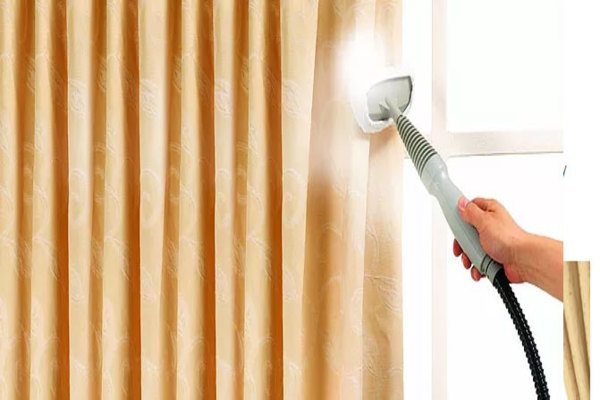
In Dubai, a fine, sandy dust can become embedded in fibers. For a full refresh, the most effective method is a professional steam clean, which sanitizes and lifts deep dirt without oversaturation. For interim maintenance, use the brush attachment on your vacuum cleaner weekly. For a deeper clean, some heavy fabrics like cotton can be gently washed, but always consider the lining and hardware first. A reliable Curtain Stain Removal service will have industrial-grade equipment to handle this pervasive grime without the shrinkage risks of home washing.
The Tools and Solutions Professionals Rely On
Beyond household items, professionals have access to and skill with more powerful tools. These include:
- Pro-grade Steam Cleaners: Deliver precise, controlled heat and moisture to break down stains and kill bacteria without harsh chemicals.
- Ultrasonic Cleaning Tanks: Use sound waves to create microscopic bubbles that agitate dirt from fibers at a deep level, ideal for delicate fabrics.
- Specialized Solvents and Spotting Agents: A range of pH-balanced solutions for specific stain types, from tannin removers for tea to protein digesters for food stains.
- Controlled Drying Racks: Ensure even, slow drying in a dust-free environment to prevent wrinkles, mildew, and fabric distortion.
The true secret is not just the tool, but the sequenced application. A professional might pre-treat with a specific agent, followed by a steam pass, followed by a neutralizer, each step meticulously timed.
When to Call a Professional: Recognizing the Limits
DIY methods have their place, but certain scenarios demand expert hands. Call a professional if:
- The fabric is delicate (silk, antique lace, velvet), lined, or has elaborate trims.
- The stain is large, old, or you've already attempted removal unsuccessfully.
- You are unsure of the fabric content and the curtains are valuable.
- The curtains require cleaning due to allergies, smoke, or pet odors, which need specialized treatment.
- You lack the time, physical space, or confidence to handle them properly.
Investing in professional cleaning not only resolves tough stains but also extends the lifespan of your curtains, maintaining their drape, color, and overall beauty.
Frequently Asked Questions
Can I machine wash my curtains?
Check the care label first. Only unlined, durable fabrics like cotton or polyester labeled as "machine washable" should go in the washer. Use a gentle cycle with cold water and mild detergent, and never put them in the dryer—hang them immediately to dry to avoid shrinkage and wrinkles.
Will cleaning remove blackout lining?
Professional cleaners can clean blackout curtains effectively. The critical factor is method; immersion washing can damage the lining's coating. Dry cleaning or specialized low-moisture cleaning is typically required to preserve the lining's light-blocking properties.
How often should curtains be cleaned?
For maintenance, vacuum with a brush attachment every two weeks. A deep clean is recommended every 12 to 18 months to remove accumulated dust and allergens, or immediately after any significant staining event.
Can sunlight set stains?
Yes. Heat from sunlight can cause organic stains like wine, coffee, or food to oxidize and bond with fabric fibers, making them significantly harder to remove. Always address spills before curtains are exposed to direct sun.
Is vinegar safe for cleaning curtains?
White vinegar can be effective on some water-based stains and odors, but it is acidic. It can damage silk or other delicate fibers and may affect dyes. Always perform a spot test in a hidden area first and dilute it significantly (one part vinegar to four parts water).
What’s the biggest mistake in DIY stain removal?
Rubbing the stain aggressively. This grinds the stain particles deeper into the fabric and can distort fibers. Always use a gentle dabbing or blotting motion, working from the outer edge toward the center.
Conclusion
Removing stubborn stains from curtains is less about finding a magic potion and more about applying a disciplined, knowledgeable approach. The secret techniques used by experts hinge on a fundamental respect for the fabric, a precise diagnosis of the stain, and the correct application of targeted solutions. From blotting a fresh spill to knowing when a grease stain needs a solvent, each step is intentional. By understanding and applying these principles, you can confidently address many common household stains and preserve the elegance of your window treatments. For valuable, delicate, or severely soiled curtains, the expertise of a professional cleaner remains an invaluable resource, ensuring your investment is protected and your home remains impeccably presented. The true goal is not just a spotless curtain, but one that continues to enhance your space for years to come.