Recovery Timeline: What to Expect After Your Hair Transplant
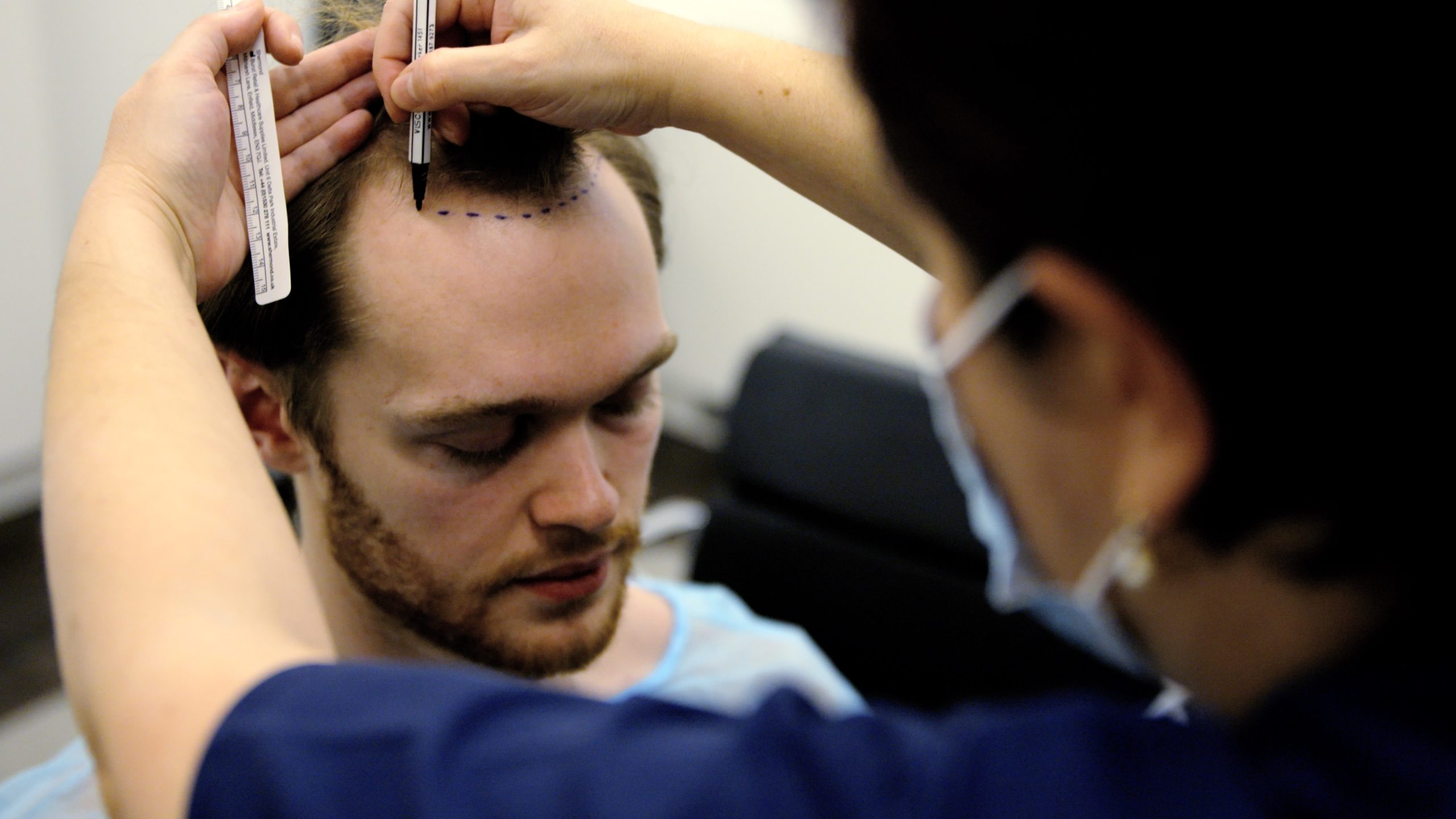
In recent years, hair transplantation has become a popular choice for those suffering from hair loss. But like any surgical procedure, it's essential to understand the recovery process. This comprehensive guide will provide a detailed timeline of what to expect post-op, allowing you to prepare accordingly and manage your expectations. Let's dive into the journey of hair transplant recovery.
The Immediate Aftermath: Day 1 to Day 3
During the initial days post-procedure, you may experience some discomfort and swelling. This is a normal response to the surgical procedure and should subside within a few days. You should rest as much as possible during this period, and keep your head elevated to help reduce swelling. You'll also be provided with a special shampoo to gently clean the transplant area, and you should avoid any strenuous activities that could increase blood flow to the scalp.
Initial Healing: Day 4 to Day 14
By the end of the first week, any discomfort should have significantly reduced, and the swelling should have subsided. During this period, small crusts may form around each transplanted hair — this is a normal part of the healing process. You should continue using the special shampoo provided by your Hair Transplant UK clinic, and avoid scratching or picking at the crusts to prevent damaging the new grafts. If the grafts are properly cared for, they should start to securely anchor into your scalp by the end of the second week.
New Hair Growth: Week 3 to Week 8
Don't be alarmed if the transplanted hair begins to fall out during this period — it's an entirely normal part of the process. This phenomenon, known as 'shock loss', happens because the trauma of the procedure can temporarily disrupt the hair growth cycle. However, the hair follicles remain healthy and in place, ready to produce new hair. By the end of this stage, you should start to observe the emergence of new hair growth.
Visible Improvements: Month 3 to Month 6
During this period, you'll begin to notice significant improvements. The new hair will continue to thicken and grow, and by the sixth month, you should be able to see a noticeable difference in your hair density. This is a rewarding period for many patients, as the results of the Hair Transplant start to become more apparent. Remember, everyone's hair grows at a different rate, so don't be discouraged if your progress seems slower than expected.
The Final Outcome: Month 9 to Month 12
By the end of the first year, most patients will have experienced significant new growth, with the transplanted hair becoming denser and more natural-looking. Remember, hair growth can continue up to 18 months post-procedure, so don't worry if you haven't reached your final result yet. Regular follow-ups with your hair transplant surgeon will help track your progress and address any concerns you may have along the way.
Conclusion
Hair transplantation can be a life-changing decision. Understanding the recovery timeline and knowing what to expect post-procedure can help manage expectations and contribute to a more positive outcome. Remember, everyone's experience will be different, and patience is key - the results are well worth the wait. With proper care and time, you can look forward to a fuller, denser head of hair.
FAQs
1. Is the hair transplant recovery process painful?
Any surgical procedure can cause some discomfort. However, most patients report minimal pain during the recovery process, which can be managed with over-the-counter pain medications.
2. Can I return to work immediately after a hair transplant?
It's recommended to take at least a few days off work to rest and recover post-procedure. However, the exact time will depend on the nature of your job and your personal comfort levels.
3. Will the transplanted hair look natural?
Yes, one of the primary goals of a hair transplant is to create results that look and feel natural. By the end of the recovery process, it should be difficult to distinguish the transplanted hair from your existing hair.