Power Station vs. Generator: Which is Best for Your Home Preparedness?
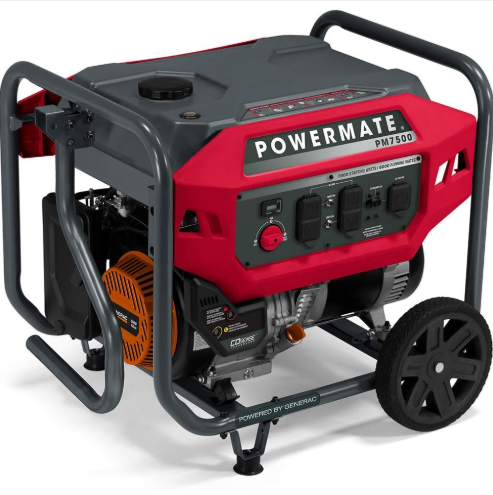
When it comes to emergency preparedness, one of the most critical aspects to consider is having a reliable source of power. Power outages can occur due to various unforeseen events such as storms, floods, or even system failures. This is where a power station or a generator comes into play. Both have their advantages and disadvantages, but which one is the best for your home preparedness? Let's delve into the specifics of each to help you make a well-informed decision.
Understanding Power Stations
A power station, also known as a portable power station, is a compact device that can provide electricity for small appliances and electronic devices. It's essentially a large battery that can be recharged and used to power your devices when there's no access to the grid. This device is usually light and easy to carry around, making it a fantastic option for camping trips, outdoor activities, or emergency situations at home.
A great example of a power station is available at Homefront King. It's compact, easy to use, and can be charged using solar panels, making it an excellent choice for eco-friendly power solutions.
Pros of Power Stations
Power stations are generally safer to use than generators because they do not produce any harmful emissions. They're also extremely quiet, making them ideal for use in residential areas or at night. Furthermore, power stations are versatile and can be used for a variety of appliances and devices, from refrigerators to smartphones.
The portability of power stations is another major advantage. They are compact and lightweight, which makes them easy to transport and store. This makes power stations an excellent choice for outdoor activities or for those who frequently travel.
Cons of Power Stations
While power stations have many advantages, they also have some drawbacks. For instance, they have a limited amount of power compared to generators. This means that they might not be able to handle larger appliances or run for extended periods. Furthermore, power stations can take a long time to recharge, which could be a problem in prolonged power outage situations.
Understanding Home Generators
A home generator is a more robust and reliable power source compared to power stations. They are designed to provide electricity to a house during power outages. A generator works by converting mechanical energy into electrical energy.
There's a wide variety of home generator available in the market, with different sizes, power outputs, and fuel types. Some generators are even designed to automatically start when a power outage is detected, ensuring uninterrupted power supply.
Pros of Home Generators
One of the main advantages of home generators is their ability to provide a large amount of power. This makes them ideal for homes with high power requirements, such as those with multiple large appliances. Furthermore, generators can run for extended periods, making them suitable for long-term power outages.
Generators are also reliable and can provide consistent power as long as they have fuel. This makes them a good choice for areas prone to frequent or prolonged power outages.
Cons of Home Generators
Despite their advantages, generators have some downsides. They can be noisy, which might be a problem in residential areas or during the night. Generators also produce harmful emissions, so they need to be used in well-ventilated areas and away from windows and doors.
Generators are also large and heavy, making them difficult to move and requiring a dedicated space for storage. They also require regular maintenance to ensure their longevity and reliability.
Conclusion
In conclusion, both power stations and generators have their strengths and weaknesses. Power stations are portable, quiet, and easy to use, making them perfect for small-scale power needs or outdoor activities. On the other hand, generators can provide a large amount of power and are more suitable for homes with high power requirements or for long-term power outages.
The choice between a power station and a generator ultimately depends on your specific needs and circumstances. Consider factors such as your power requirements, the frequency and duration of power outages in your area, the noise level you can tolerate, and your budget. By considering these factors, you can choose the best power solution for your home preparedness.
FAQs
1. Can a power station power an entire house?
Generally, power stations are not designed to power an entire house. They are more suitable for powering small appliances and electronic devices.
2. Do generators require professional installation?
Yes, most home generators require professional installation to ensure they are properly connected to your home's electrical system and comply with local regulations.
3. Can I use a generator indoors?
No, generators should never be used indoors or in enclosed spaces due to the risk of carbon monoxide poisoning. They should be used in well-ventilated areas and positioned away from windows and doors.
4. How long does it take to charge a power station?
The charging time of a power station depends on its capacity and the power source. It can take several hours to fully charge a power station.
5. What kind of maintenance do home generators require?
Home generators typically require regular maintenance such as oil changes, filter replacements, and inspections to ensure their reliability and longevity.